
Learning to Become Nobody
The hidden cost of building a life around ego

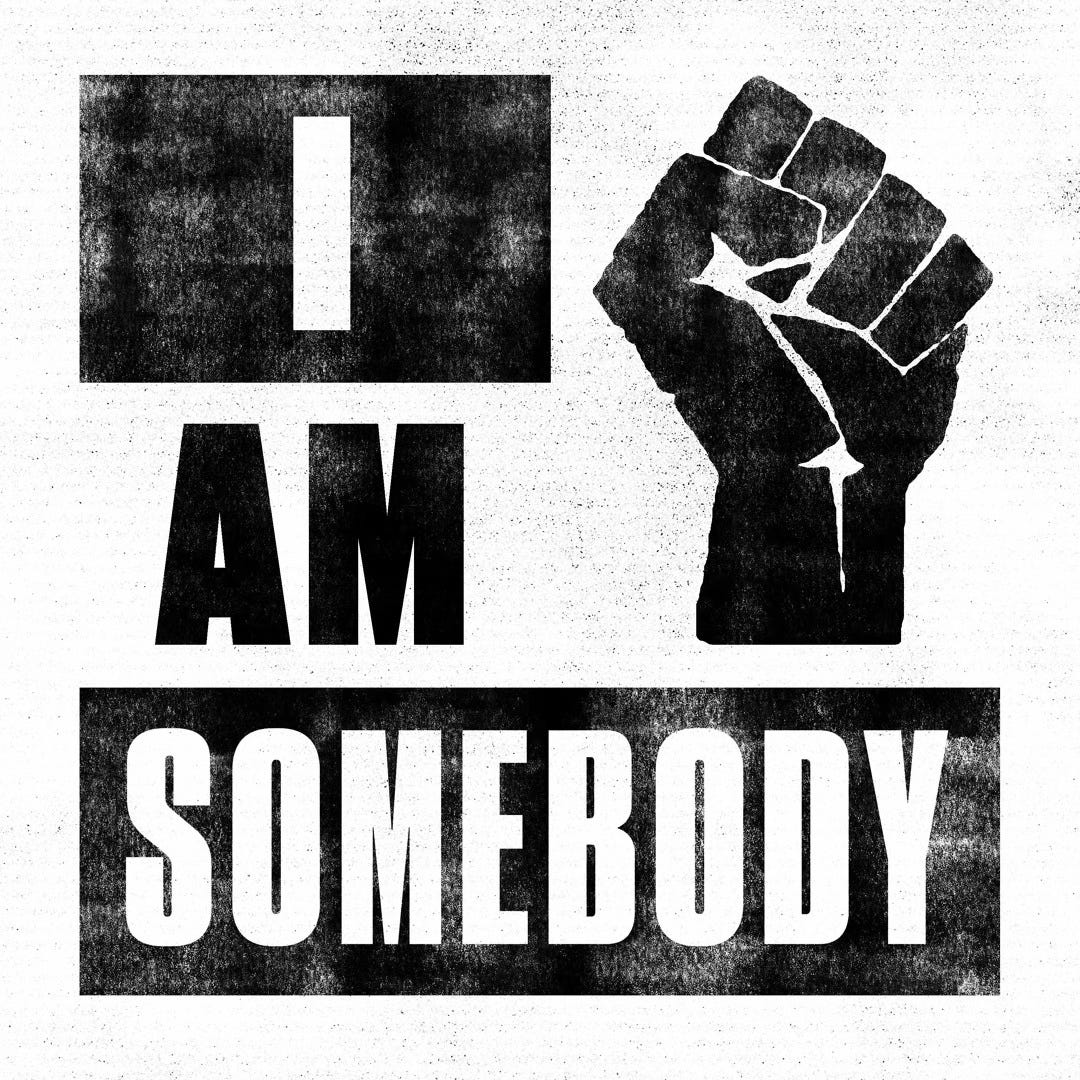
We are taught from childhood that happiness comes from becoming somebody. Becoming successful, respected, and accomplished. The whole glittering résumé parade designed to reassure both ourselves and strangers that our existence has somehow been officially certified.
And for most of our lives, this sounds perfectly reasonable. Noble, even. After all, ambition is usually framed as the healthy desire to become someone of value within the world.
But lately, I’ve started wondering if this entire framework quietly manufactures the very suffering it claims to solve.
Because becoming somebody is a full-time job. Not only a full-time job, but one with no vacation days, no pension plan, and a supervisor who never stops talking. That supervisor, of course, is the ego.
To become somebody means constructing an identity that must constantly be maintained and polished like a luxury car sitting in front of a rented house. It means attaching yourself to accomplishments, reputations, titles, and various forms of social recognition. It means building a psychological mansion around the word me and then spending the rest of your life guarding the front door like an underpaid security guard hoping this might finally be the year they get promoted to assistant manager of self-importance.
And if that “somebody” gets threatened — even slightly — suffering often follows.
A few years ago, I watched a workshop exercise led by a controversial pastor. Whatever one thinks about his broader views, the exercise itself stayed with me.
He would ask participants a deceptively simple question:
“Who are you?”
The answers were always predictable.
“I’m a father.”
“I’m a banker.”
“I’m a musician.”
“I’m a Christian.”
“I’m a lover of life.”
“I’m a child of God.”
And almost like clockwork, he would respond:
“That’s nice. But you still haven’t told me who you are.”
At first, it sounds like he’s just being difficult for sport. Like one of those philosophy professors who enjoys turning a coffee order into an existential crisis. But the longer you sit with the question, the stranger it becomes.
Because most of us do not answer with who we are. We answer with occupations, roles, affiliations, achievements, tribes, carefully arranged bumper stickers for the soul.
But what happens when those identities disappear?
What happens when the banker retires, the musician loses the chops, the admired person becomes unfashionable, or the social media algorithm quietly escorts your relevance out the back door like a bouncer removing a drunk pianist from a wedding gig?
Who remains after the performance stops?
The pastor framed this through the idea of two selves: the false self and the authentic self.
The false self is the ego-based identity. The socially constructed version of ourselves assembled from labels, accomplishments, class aspirations, and reputation. It is the self constantly asking:
How am I being perceived?
Am I respected?
Am I important?
Am I winning?
The authentic self, however, exists outside that performance. It does not depend upon applause, status,, or whether somebody remembered to tag you in the photo after the concert.
And according to this philosophy, much of our suffering comes from confusing the false self with the real one.
Think about how often anger emerges from perceived threats to identity.
Someone speaks to you dismissively or criticizes your work.
Immediately, the ego reacts: How dare they treat me this way?
But what exactly has been harmed? Certainly not your humanity.
What has actually been threatened is the image you carry of yourself. The constructed self. The little psychological press agent living inside your head, constantly trying to convince the world — and itself — that you matter more than the next poor soul standing in line at Whole Foods buying overpriced blueberries.
I remember running into a fairly well-known saxophonist on several occasions over the years. And every single time, almost immediately, he would begin reciting his résumé. The gigs, the famous names, the accomplishments. You could practically hear the invisible publicist clearing his throat before the conversation even started.
What always struck me was that there was rarely any sincere curiosity about anyone else. Certainly not about what I was doing.
The interaction felt less like a conversation and more like a maintenance ritual.
And honestly, I remember thinking: it must be exhausting being him. Exhausting to always have to be on. Constantly having to reinforce your significance before silence arrives and starts asking uncomfortable questions.
I remember reading an interview years ago with Branford Marsalis where he talked about touring with the now deceased rapper Guru. What stayed with me was not anything about fame or celebrity, but Branford describing how exhausting it seemed watching someone constantly maintain a posture. Always having to appear hard. Always having to project this carefully manufactured image of masculinity and street credibility because that was the role the industry expected him to play.
And what made Branford’s observation interesting was that he seemed able to watch the whole thing from a certain distance. He wasn’t simply looking at a successful rapper. He was watching a human being labor under the weight of a character that could never fully relax.
Because the exhausting part of ego is not merely creating the performance. It’s sustaining it day after day until the performance starts eating the person alive.
Especially when the human being underneath is far more layered than the mask allows.
Guru did not come from the background the stereotype would have suggested. His father was a lawyer who became the first African American judge appointed to the Boston Municipal Court. His mother worked within the Boston public school system as a library administrator. Guru himself graduated from Morehouse College.
In other words, there was a more complicated human being underneath the marketed image.
But in certain corners of popular culture, intelligence, restraint, and ordinary responsibility do not always fit the mythology being sold. Wisdom rarely moves units. Reflection doesn’t always test well with focus groups looking for somebody to threaten civilization over a drum loop.
Back to the constructed self.
Even something as small as a rude cashier at a grocery store can destabilize us for hours because the ego interprets the interaction as an assault on identity.
The mind immediately starts assembling a legal case:
They disrespected me.
Embarrassed me.
Made me feel small.
But the authentic self has nothing to defend because it is not constructed from social positioning.
And this is where the idea of becoming “nobody” began making sense to me.
Not nobody as in worthless or invisible. Nothing that self-abusive.
But nobody in the sense of no longer being psychologically imprisoned by the endless maintenance of identity.
Because anybody can become somebody.
With enough ambition and strategy, almost anyone can manufacture a version of themselves for public consumption. The modern world practically hands out branding kits at birth.
But the tragedy is that once the identity gets constructed, it must be fed constantly.
The ego survives on recognition the way casinos survive on lonely people who think one more pull is finally gonna change their life.
It needs validation. Attention. Confirmation. It needs mirrors everywhere.
And the tighter we cling to this constructed self, the more fragile we often become. Every disagreement feels personal. Every criticism feels catastrophic. Every slight feels like a public execution staged by the Department of Emotional Affairs.
A somebody must constantly defend themselves.
A nobody, however, is the person who can finally breathe.
This does not mean abandoning responsibility or withdrawing from society wearing linen pants and speaking exclusively in vague spiritual metaphors.
We still work. Love. Participate. Fulfill responsibilities. Pay taxes. Answer emails we don’t want to answer.
But perhaps peace begins when we stop confusing those roles with the essence of who we are.
Perhaps the goal of life is not to become more significant, but less burdened.
Not disappearing from the world, but loosening our attachment to the exhausting theater of identity within it.
Because maybe the freest people are not the ones who became somebody.
Maybe they are the ones who no longer needed to.
such wisdom, thank you
Thanks, Sam. This is terrific!